Components of the U.S. Health Insurance Ecosystem
To better understand the significance of collaboration within the healthcare insurance ecosystem in the U.S., it is critical to first define the relationship to the broader health insurance system. Two main types of government-supported health insurance plans in the U.S.:
Medicare is for people who are 65 and older, that covers the standard set of services (there are strict requirements for documentation and billing to qualify for Medicare).
Medicaid covers individuals who are 64 and younger. The funding for Medicaid comes from both states and the federal government. Medicaid programs are different from state to state, adding yet another layer of administrative complexity.
Both Medicare and Medicaid use Third-Party Administrators (TPAs) heavily to manage claims processing, verify eligibility and reimbursements, and ensure compliance with all rules and regulations. It is imperative that insurers work with TPAs efficiently to not only have the necessary resources for operational continuity, but also maintain a sound financial position.
Traditional Issues in a TPA-Insurer Relationship
The traditional process of collaborating with TPAs has been hampered by manual processes and fragmented systems. Claims data currently move through emails, spreadsheets, and outdated software applications that do not talk to each other. This results in delays, inaccuracies, and a high number of disputes about claims.
The most notable issue involving the documentation aspect of the claims process. For claims to be paid, the following must be absolutely aligned: clinical note; diagnosis code; procedure code; and eligibility information. Even the slightest inconsistency, in any of these data points, will result in a denial or long delay in reimbursement.
TPAs often have limited access to the insurer's systems, whereas the insurer does not have access to the real-time clinical documentation or the actions of the provider. This lack of access can impact the ability to collaborate on claims and slow down decision-making, as well as contribute to the administrative costs associated with an insurance claim.
The Insurance Industry's Movement Towards Digital Transformation Through Technology
The insurance industry is experiencing a fundamental technology-driven change. Digital transformation in this industry is no longer solely about optimising existing processes, but rather about creating a more seamless workflow in insurance.
Modern-day insurance workflow solutions combine multiple data sources from hospitals, clinics, TPAs, insurers, and other players into a single, connected view of the insurance process. Because of this connected view, insurance carriers & TPAs can work proactively rather than reactively by providing access to real-time data to confirm eligibility, validate clinical documentation, and immediately send payment requests to the appropriate payers.
 (1).png)
How Insurance Workflow Automation Enables Seamless Collaboration
Insurance workflow automation provides the foundation for transforming the insurance claims process by allowing insurers and TPAs to fully automate repetitive, manual processing tasks with intelligent workflows based on standardized rules. Therefore, the insurance workflow automation will result in faster claim processing, fewer errors, and improved collaboration between all parties involved in the insurance process through the full documentation, verification, and sharing of all insurance workflows.
The data captured through automated systems is accurate to the insurer/TPA specifications. Removing ambiguity from this step provides greater efficiency to the claims process than the previous method of having to constantly re-examine and clarify the various pieces of information needed.
For TPAs, automated workflows provide access to standardized, compliant documents without delay. For insurers, it provides assurance that the claim documentation received for review is consistent, complete, and backed by sufficient evidence.
The Role of TPA Management Software in Operational Alignment
Through collaboration, insurers and TPAs develop an understanding of the other's operations. Automated TPA Management Software can facilitate operational alignment by providing insurers with a centralized location for claim information, eligibility, coding, reimbursement status, etc.
Through TPA Management Software, TPAs are able to monitor their claims in real-time, quickly identify issue(s), and communicate with their client(s) in real time, whereas insurers can view their claim status and make quicker approval decision(s).
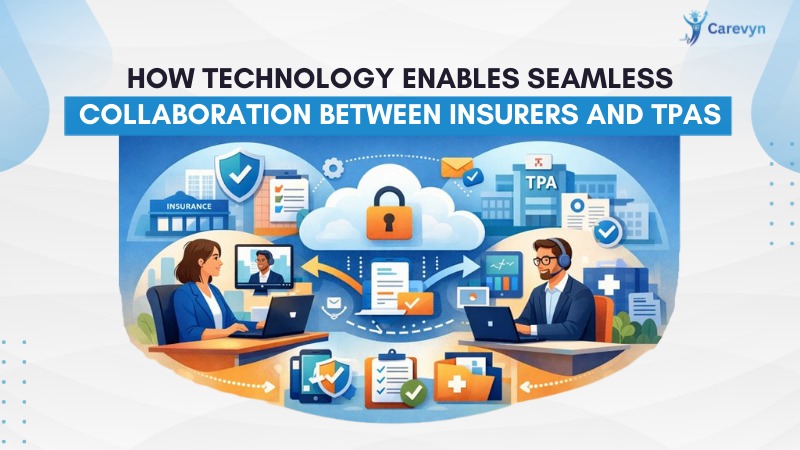
TPA Management Software provides both TPAs and insurers with the ability to share information and maintain open communication, thereby eliminating operational silos between TPAs and insurers.
Claims Collaboration: From Conflict to Coordination
Historically, both insurers and TPAs have experienced conflicts regarding claims processing, as submission delays, incomplete document(s), and coding errors often result in disagreements and rework regarding claims processing.
-
TPA is a Third-Party Administrator which are organizations that handle claims for other organizations
-
The claims process includes submission of the claim by the healthcare provider; receipt of the claim by the TPA; and receipt of payment from the insurer.
-
Regulatory compliance refers to the requirement for insurers and TPAs to meet various requirements established by the State(s) where they operate.
-
The claims process has been designed to create efficiencies while meeting regulatory compliance requirements and providing improved patient outcomes.
Technology helps prevent rejected claims by ensuring accurate clinical documentation and verifying patient eligibility, therefore decreasing the likelihood of rejection before submitting claims.
The development of collaborative dashboards, automated alerts, and shared audit trails provides insurers and third-party administrators (TPAs) with transparency throughout all claim process stages. The two entities work together as shared partners in regard to the claims instead of as competing entities with opposing interests.
The Importance of Accurate Documentation in Collaborative Business
At the centre of all insurance claims is clinical documentation. The precision of every clinical interaction must be documented in clinical notes, coded using ICD and CPT codes, and contain the evaluation and management information.
Carevyn’s Approach to Automating the Insurance Process
In encouraging collaboration between insurers and TPAs, Carevyn takes a documentation-first approach. By functioning as a smart assistant to hospitals and clinics, Carevyn ensures that all clinical interactions are accurately documented and converted to compliant documents.
By automating the insurance process, Carevyn assists throughout the entire cycle from doctor-patient communication to the end of the claim lifecycle.
Claims Failure Predominately Occurs Due to Incomplete Eligibility Verification
Claim failures occur primarily because eligibility verification is incomplete. Automated eligibility verification identifies whether or not Medicare or Medicaid will pay for the services at the time that the services are billed. Carevyn integrates automated eligibility verification with an AIsupported eligibility verification process within the documentation process for use by TPAs and insurers. This ensures that TPAs and insurers receive both clinically and financially viable claims.
As a result, insurers will be able to process claims faster, TPAs will be able to reduce rejection rates, and providers will receive reimbursement with less time lost without being denied.
.png)
How Claims Automation Will Enhance Claims Processing for Insurance Program Participants (TPAs and Insurers)
The claim processing required for the Medicare and Medicaid Programs have a complicated set of compliance requirements that must be followed to avoid audits and penalties associating to coding errors or inadequate documentation relevant to patient care.
Insurance Workflow Automation through Technology streamlines claims processing by creating a system that enforces compliance from the first phase of claim creation through the claims settlement process. The use of automated technology to verify codes and the completeness of documentation is performed according to the regulatory requirements relevant to the Medicare and Medicaid Programs.
Creating a System Where Transparency Builds Trust Between Insurers and TPAs
Insurers and TPAs rely upon a high level of trust to operate effectively in an environment where insurers and TPAs are the only parties involved in determining whether or not patients will receive services.
Digital Platforms to Build Trust With Insurers and TPAs
By utilizing digital platforms that allow insurers, TPAs, and doctors to collaborate easily, insurers can have clear access to various components of their claims status, documentation status, and reimbursement timelines. Collaboration between insurance carriers and third-party administrators (TPAs) is made possible through digital technology that eliminates the need for time-consuming and expensive manual processes.
The Business Impact of Digital Collaboration
With a digital platform, both parties have more visibility into each other's operations and can work together to solve problems or resolve issues as they arise. As a result, the collaborative nature of this partnership becomes a strategic alliance rather than a simple transactional agreement.
Digital collaboration has had an enormous financial impact on the way businesses operate within the insurance industry. The volume of claims processed quickly lowers overhead costs and improves a company's cash flow; fewer errors lead to quicker payment of claims. The use of technology has enabled insurance companies to be more cost-effective by streamlining operations through the use of third-party administrator (TPA) management software and other automation tools. By utilizing these technologies, insurance companies can continue to grow while maintaining staffing costs at the same level.
Why Carevyn Is Built for the Future of Insurance
Digital transformation in the insurance space is rapidly evolving. Carevyn was created to help enable this evolution by taking a technology-focused approach to the automation and streamlining of the claims process, as well as the management of clinical documentation and claims.
Carevyn's emphasis on automation, compliance, and accuracy will help both insurance companies and TPAs move away from manual collaboration methods and adopt an approach to collaboration that is more efficient and intelligent.
Carevyn, and processors like Carevyn, will be the backbone of the future of the insurance industry and will create a more efficient, transparent, and caring insurance experience for patients and insurers alike.
Improved Collaboration Between Insurance and Third-Party Administrators
Insurer–TPA collaboration is no longer a source of competitive advantage; it has become an expectation. With the complexity of the U. S. healthcare system, it is apparent that technology is the most practical way to close gaps; reduce waste; and build trust. By leveraging insurance workflow automation, intelligent TPA software, and a collaborative claim management process, insurers are achieving faster reimbursements and increased compliance while delivering improved results for stakeholders. Carevyn works at the intersection of insurance and healthcare to help insurers to achieve these goals by converting documentation into a strategic resource and making collaboration easier.
Frequently asked questions (FAQ):
1. What do you mean when you say that Insurers and TPAs are collaborating in the healthcare space?
Insurer–TPA collaboration, or insurer and TPA collaboration, means that insurance companies work with third-party administrators (TPAs) to coordinate claims management, verify eligibility checks, process reimbursements, and verify compliance with the rules and regulations. Successful Insurer and TPA collaboration will lead to quicker claim processing times, fewer errors, and improved provider-payer communication.
2. Why should Insurers use technology to assist with Insurer–TPA collaboration?
The use of technology allows insurers to eliminate the need to process insurance manually or use two different systems that do not connect. By using automated insurance workflows and digital platforms, insurance companies and TPAs can seamlessly share real-time data, minimize claim delays, increase transparency, and streamline the entire insurance process.
3. How does Insurance Workflow Automation Benefit Insurance Claims Processing?
Automation of insurance workflow (including clinical documentation, eligibility verification and claims submission) allows for a systematic approach to these processes which greatly eliminates error and also increases speed of reimbursement and enhances collaborative claims process between insurers and TPA's.
4. What role does TPA management software play in collaboration?
TPA Management Software is the central point for managing all claims data, documentation and reimbursement status. This allows for TPA's and insurers to coordinate efforts, closely monitor the claims process and quickly resolve any issues.
5. How does digital transformation in insurance benefit insurers and TPAs?
Digital Transformation of Insurance involves the transition from manual/paper-based processes to electronic, automated and data driven processes. The benefits of digital transformation include increased automation of administrative functions, faster decision making, better compliance, and enhanced collaboration within the insurance industry ecosystem.